RGP vs. Scleral Lenses: Which Specialty Contact Lens Is Right for Hard-to-Fit Eyes in Pittsfield, ME?
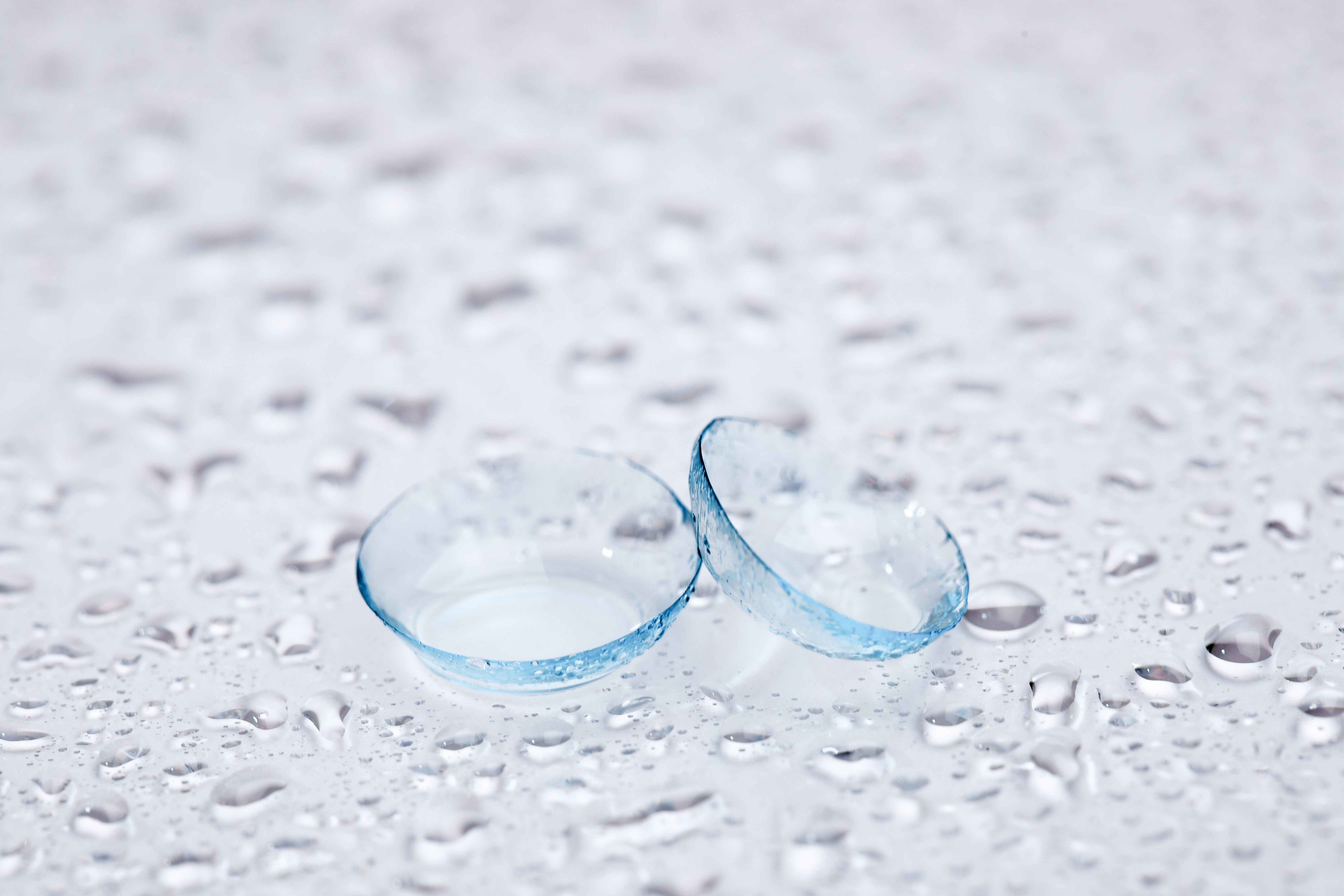
If standard soft contact lenses do not give you clear, comfortable vision, you may have what eye doctors often call hard-to-fit eyes. This can happen with keratoconus, irregular corneas, high prescriptions, dry eye, corneal scarring, or certain post-surgical vision changes. For many patients in Pittsfield, ME, specialty contact lenses can provide a better option than traditional contacts.
At TruNorth Optometry in Pittsfield, specialty contact lens care is designed to help patients find lenses that match their eye shape, vision needs, and comfort goals. Two common options are RGP lenses and scleral lenses. Both can improve vision for hard-to-fit eyes, but they work in different ways.
What Are RGP Lenses?
RGP stands for rigid gas permeable. These lenses are smaller, firm contact lenses that allow oxygen to pass through to the eye. Because they hold their shape instead of draping over the cornea like soft lenses, RGP lenses can create a smoother optical surface and provide sharper vision for certain patients.
RGP lenses may be helpful for people with mild to moderate corneal irregularity, astigmatism, or prescriptions that do not correct well with soft contacts. They can also be durable and provide crisp optics when they fit properly.
What Are Scleral Lenses?
Scleral lenses are larger gas permeable lenses that rest on the white part of the eye, called the sclera. Instead of sitting directly on the cornea, they vault over it and create a fluid-filled space between the lens and the eye.
This design can be especially helpful for patients with keratoconus, irregular corneas, dry eye, corneal scarring, or sensitivity with smaller lenses. Because scleral lenses do not rub directly on the corneal surface, many patients find them surprisingly comfortable once they learn how to apply and remove them.
Why Hard-To-Fit Eyes Need A Custom Approach
Hard-to-fit eyes often need more than a standard contact lens prescription. The shape of the cornea, tear film quality, eyelid anatomy, and eye health all affect how a lens performs. A lens that works well for one patient may not be the right choice for another.
During a specialty contact lens exam in Pittsfield, your optometrist can take detailed measurements and evaluate how different lens designs interact with your eyes. This helps determine whether RGP lenses, scleral lenses, or another specialty lens option may be the best fit.
RGP vs. Scleral Lenses: Key Differences
Both RGP and scleral lenses can offer clearer vision than soft contacts for certain patients, but the best choice depends on your eyes and lifestyle. Your optometrist may compare:
- Corneal shape and level of irregularity
- Vision quality with glasses or soft contacts
- Dry eye symptoms or tear film stability
- Comfort with lens movement
- Sensitivity on the corneal surface
- Work, driving, reading, and screen needs
- Ability to handle lens care and maintenance
- Long-term eye health and follow-up needs
These factors help guide a personalized recommendation rather than a one-size-fits-all solution.
When RGP Lenses May Be The Better Fit
RGP lenses may be a good choice when the corneal shape is only mildly irregular and the patient can tolerate a smaller lens on the eye. Some patients prefer RGP lenses because they are compact, provide sharp vision, and can be easier to manage once adapted.
However, RGP lenses can move more with blinking and may take time to get used to. If the cornea is highly irregular or sensitive, a smaller lens may not provide enough comfort or stability.
When Scleral Lenses May Be The Better Fit
Scleral lenses are often recommended for more complex cases. Patients with keratoconus, moderate to advanced corneal irregularity, dry eye, or discomfort with other lenses may benefit from the stability and corneal vaulting that scleral lenses provide.
The fluid reservoir under a scleral lens can also help keep the eye surface hydrated, which may make them a strong option for patients with dry, irritated eyes. For many hard-to-fit patients in Pittsfield, scleral lenses offer a balance of comfort and clear, stable vision.
Why Specialty Lens Experience Matters
Specialty contact lenses require careful fitting, follow-up care, and patient education. Your optometrist needs to evaluate how the lens sits on the eye, how well it centers, how much clearance it provides, and whether the eye remains healthy with wear.
TruNorth Optometry provides specialty contact lens care as part of its comprehensive eye care services in Pittsfield. The practice focuses on personalized recommendations, clear guidance, and long-term eye health, helping patients understand their options before choosing a lens design.
Finding The Right Specialty Contact Lens
If soft contacts have not worked for you, that does not mean contact lenses are no longer an option. RGP lenses and scleral lenses can both help patients with hard-to-fit eyes, but the right choice depends on your diagnosis, comfort, corneal shape, and vision goals.
A specialty contact lens evaluation can help determine which lens design gives you the best combination of clarity, comfort, and eye health support.
Schedule a specialty contact lens evaluation with TruNorth Optometry, located at 125 Main Street, Pittsfield, ME 04967. Call (207) 419-0669 to book your appointment.
Quick Links
Helpful Articles
article_category: products
article_category: psychiatry
article_category: faqs
article_category: cats
article_category: general
article_category: services
article_category: technology
article_category: dogs
article_category: restorative
article_category: vision therapy
article_category: contact lenses
article_category: health
article_category: conditions
article_category: eye surgery co-management
article_category: exotic
article_category: cosmetic
article_category: surgical procedures
article_category: aesthetics
article_category: preventative
article_category: ocular disease management
article_category: eyeglasses
article_category: eye health
article_category: large animal
[]
article_category: psychiatry
article_category: faqs
article_category: cats
article_category: general
article_category: services
article_category: technology
article_category: dogs
article_category: restorative
article_category: vision therapy
article_category: contact lenses
article_category: health
article_category: conditions
article_category: eye surgery co-management
article_category: exotic
article_category: cosmetic
article_category: surgical procedures
article_category: aesthetics
article_category: preventative
article_category: ocular disease management
article_category: eyeglasses
article_category: eye health
article_category: large animal
[]
Flowbite is an open-source library of interactive components built on top of Tailwind CSS including buttons, dropdowns, modals, navbars, and more.
Check out this guide to learn how to get started and start developing websites even faster with components on top of Tailwind CSS.

All Eye Care Services
Find personalized eye care excellence with our comprehensive services. From eye exams to advanced diagnostics, trust us for all your vision needs.

Keep In Touch
For non-urgent questions or to learn more about our services, contact us today!
Quick Links
Contact Info
Hours of Operation
- Monday 7:30am - 5:00pm
- Tuesday 7:30am - 5:00pm
- Wednesday 7:30am - 5:00pm
- Thursday 7:30am - 5:00pm
- Friday Closed
- Saturday Closed
- Sunday Closed
- Monday
- Tuesday
- Wednesday
- Thursday
- Friday
- Saturday
- Sunday
- Monday
- Tuesday
- Wednesday
- Thursday
- Friday
- Saturday
- Sunday
© 2026 TruNorth Optometry. All rights Reserved - Accessibility Statement - Privacy Policy - Sitemap
Managed and Designed by 