Why Eye Exams Are Essential, Even With Great Vision
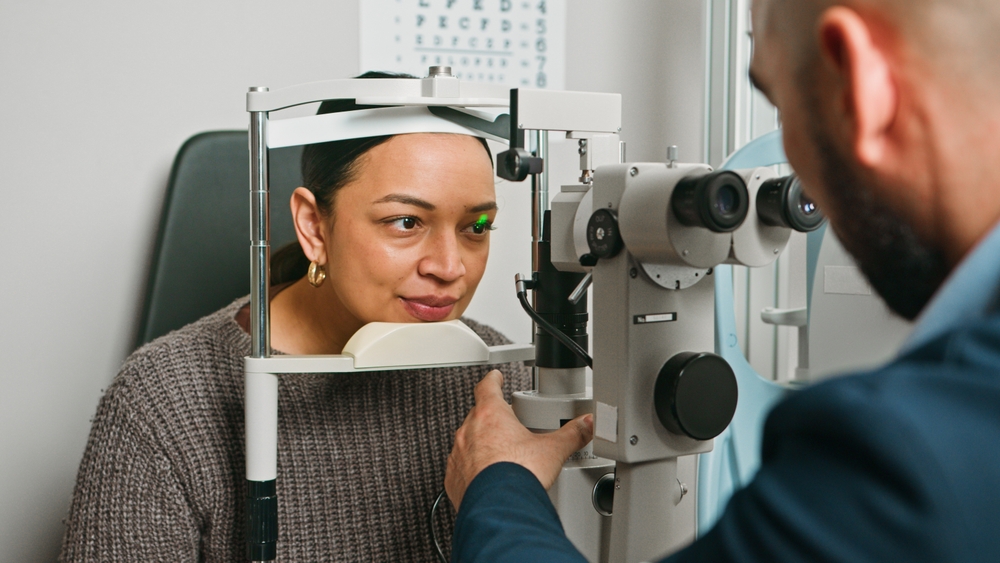
If you’ve never needed glasses and your vision feels sharp and clear, it’s natural to wonder whether regular eye exams are really necessary. After all, if you can see well, what’s the point? The truth is that comprehensive eye exams are about much more than simply checking how well you read the eye chart. They play a vital role in detecting hidden eye conditions, monitoring subtle changes, and protecting your long-term health - even when your vision seems perfectly fine.
Clear Vision Doesn’t Always Mean Healthy Eyes
Many serious eye conditions develop silently, without noticeable symptoms in their early stages. You may see perfectly well and still have an underlying issue.
Conditions that often show no early warning signs include:
Glaucoma
Macular degeneration
Diabetic retinopathy
Retinal tears or detachments
Early cataracts
By the time symptoms appear, damage may already have occurred. Comprehensive eye exams allow your optometrist to detect subtle changes long before you would notice them yourself.
Digital Eye Strain Is Increasing - Even With “Good” Vision
Today’s lifestyle involves hours of screen time at work, school, and home. Even if you don’t need glasses for distance or reading, you may still experience:
Headaches
Eye fatigue
Blurred vision after screen use
Dry, irritated eyes
Difficulty focusing
An eye exam can determine whether subtle focusing issues, dry eye disease, or blue light exposure are contributing to discomfort and provide tailored solutions to keep your eyes comfortable and healthy.
Children and Teens May Not Realize They Have Vision Issues
Kids rarely complain about blurry vision because they often assume everyone sees the way they do. Even mild vision problems can impact:
Reading performance
Concentration
Sports performance
Classroom behavior
Regular pediatric eye exams ensure your child’s visual development stays on track and supports academic success.
Your Eyes Change Over Time
Vision and eye health naturally change with age. Even adults who have never needed glasses may begin to experience subtle shifts in their 30s and 40s, including early presbyopia (difficulty focusing up close). Routine exams help monitor these changes and provide guidance before small issues become frustrating disruptions to daily life.
Eye Exams Detect More Than Vision Problems
Your eyes provide a unique window into your overall health. During a comprehensive eye exam, your doctor can identify signs of systemic health conditions, including:
High blood pressure
Diabetes
High cholesterol
Autoimmune conditions
Neurological concerns
In some cases, patients first learn about a broader health issue during a routine eye exam. Early detection can lead to earlier treatment and better long-term outcomes.
Schedule Your Eye Exam at TruNorth Optometry Today
Great vision does not guarantee healthy eyes. Many eye diseases develop quietly, and early detection is key to preserving lifelong sight. Regular comprehensive eye exams are one of the simplest and most powerful steps you can take to protect both your vision and your overall health. Whether it’s been a year or several since your last exam, our team is here to provide thorough, personalized eye care for every stage of life.
Contact TruNorth Optometry to schedule your annual comprehensive eye exam and protect your vision for the future. Call (207) 419-0666 to book an appointment today.
Quick Links
Helpful Articles
article_category: products
article_category: psychiatry
article_category: faqs
article_category: cats
article_category: general
article_category: services
article_category: technology
article_category: dogs
article_category: restorative
article_category: vision therapy
article_category: contact lenses
article_category: health
article_category: conditions
article_category: eye surgery co-management
article_category: exotic
article_category: cosmetic
article_category: surgical procedures
article_category: aesthetics
article_category: preventative
article_category: ocular disease management
article_category: eyeglasses
article_category: eye health
article_category: large animal
[]
article_category: psychiatry
article_category: faqs
article_category: cats
article_category: general
article_category: services
article_category: technology
article_category: dogs
article_category: restorative
article_category: vision therapy
article_category: contact lenses
article_category: health
article_category: conditions
article_category: eye surgery co-management
article_category: exotic
article_category: cosmetic
article_category: surgical procedures
article_category: aesthetics
article_category: preventative
article_category: ocular disease management
article_category: eyeglasses
article_category: eye health
article_category: large animal
[]
Flowbite is an open-source library of interactive components built on top of Tailwind CSS including buttons, dropdowns, modals, navbars, and more.
Check out this guide to learn how to get started and start developing websites even faster with components on top of Tailwind CSS.

All Eye Care Services
Find personalized eye care excellence with our comprehensive services. From eye exams to advanced diagnostics, trust us for all your vision needs.

Keep In Touch
For non-urgent questions or to learn more about our services, contact us today!
Quick Links
Contact Info
Hours of Operation
- Monday 7:30am - 5:00pm
- Tuesday 7:30am - 5:00pm
- Wednesday 7:30am - 5:00pm
- Thursday 7:30am - 5:00pm
- Friday Closed
- Saturday Closed
- Sunday Closed
- Monday
- Tuesday
- Wednesday
- Thursday
- Friday
- Saturday
- Sunday
- Monday
- Tuesday
- Wednesday
- Thursday
- Friday
- Saturday
- Sunday
© 2026 TruNorth Optometry. All rights Reserved - Accessibility Statement - Privacy Policy - Sitemap
Managed and Designed by 